

The Analog Algorithm
Why context matters so much

If there’s one topic the fashion industry, fashion consumers, and fashion writers love to talk about—overthink, litigate, dissect, and moralize—it’s trends. Trends are to fashion what butter is to cooking: necessary to achieve flavor, slightly indulgent, and genuinely delightful in moderation—but overwhelming (and frankly a little nauseating) when overused.
Yet trends—like butter—are also a staple in our fashion diets. No matter where we live, what our lives look like on the daily, or how we translate fashion into personal style, trends are part of the ecosystem. They keep us feeling relevant and engaged in the conversation. They’re how fashion remains a living, breathing thing and not a museum exhibit.
But somehow, somewhere along the way, trends became synonymous with weakness—something unserious rookies “fall for” or a passing fad that the eternally chic are meant to transcend. An albatross, even—one you’re supposed to resist if you want to signal discernment, singularity, and taste. In fashion, “trend” became a dirty word.
But what if that framing is wrong? What if trends aren’t the villain at all? What if the real issue—the one we should be paying attention to in 2026—is context?
A One-Sided Dialogue
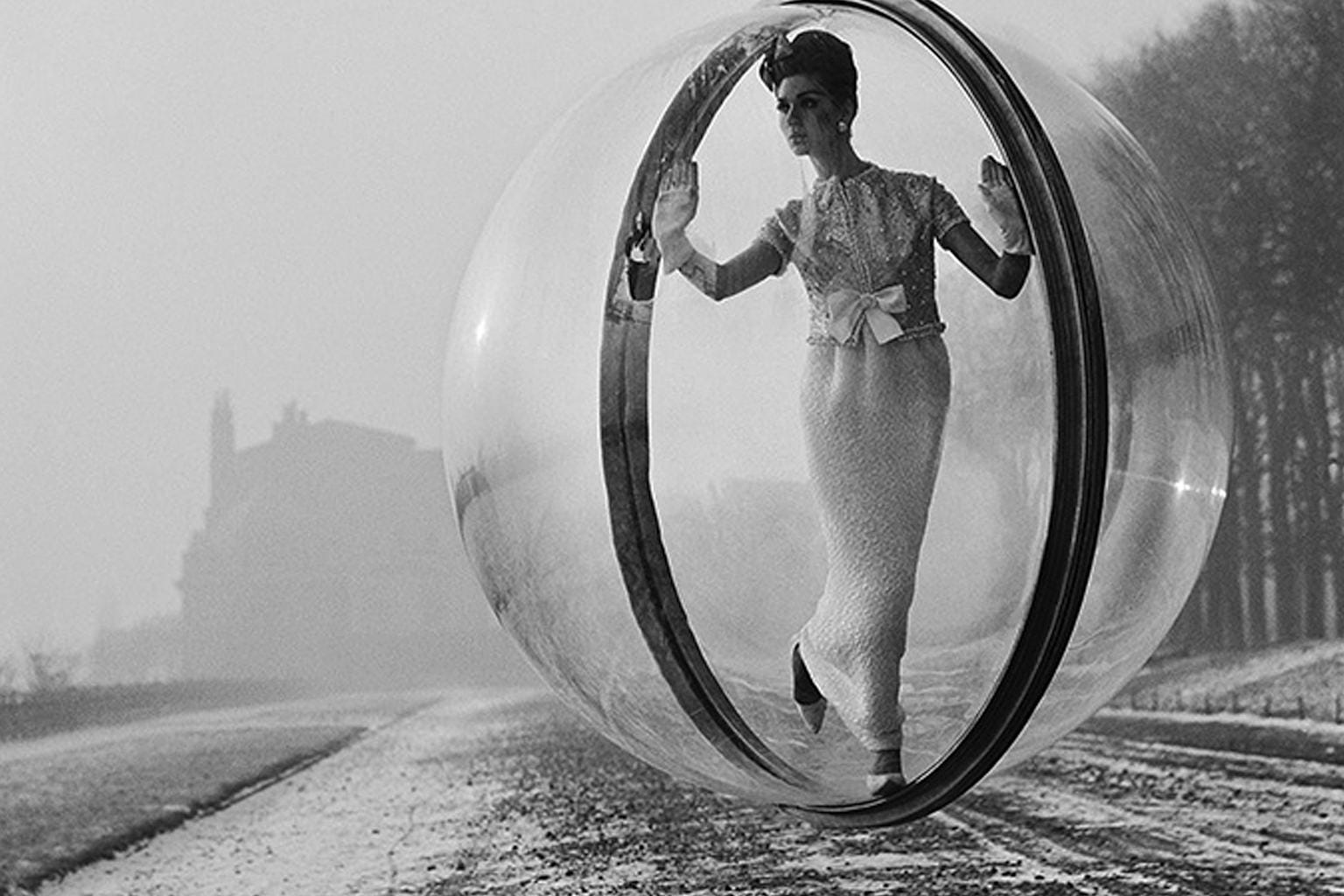
For all this groaning about trends taking over our lives, people becoming slaves to the algorithm, and TikTok micro-trends flying by at a breakneck pace (I’ll admit, I do enjoy slob chic—what’s not to like about oversized anything this time of year), so much of this concern is happening in a vacuum. And newsflash! If you’re reading this, you’re likely in the vacuum.
(A very chic vacuum made of Lisa Yang cashmere and Loewe leather trim—but a vacuum nonetheless.)
Because the truth is, our online lives and our real lives can be out of sync. And I’m not talking about aspirational shopping—that age-old habit of buying for a life you don’t actually live, like splurging on sexy heels bc you miss your pre-baby bar-hopping nights. That’s not new, and honestly, that’s not the problem.
I’m talking about something more structural: the fact that what we see, consume, internalize, and become fluent in online—especially in niche fashion spaces like Substack, Instagram and heck, even Vogue.com or The Cut—is largely contained to just that: online.
It's Cloud Illusions I Recall
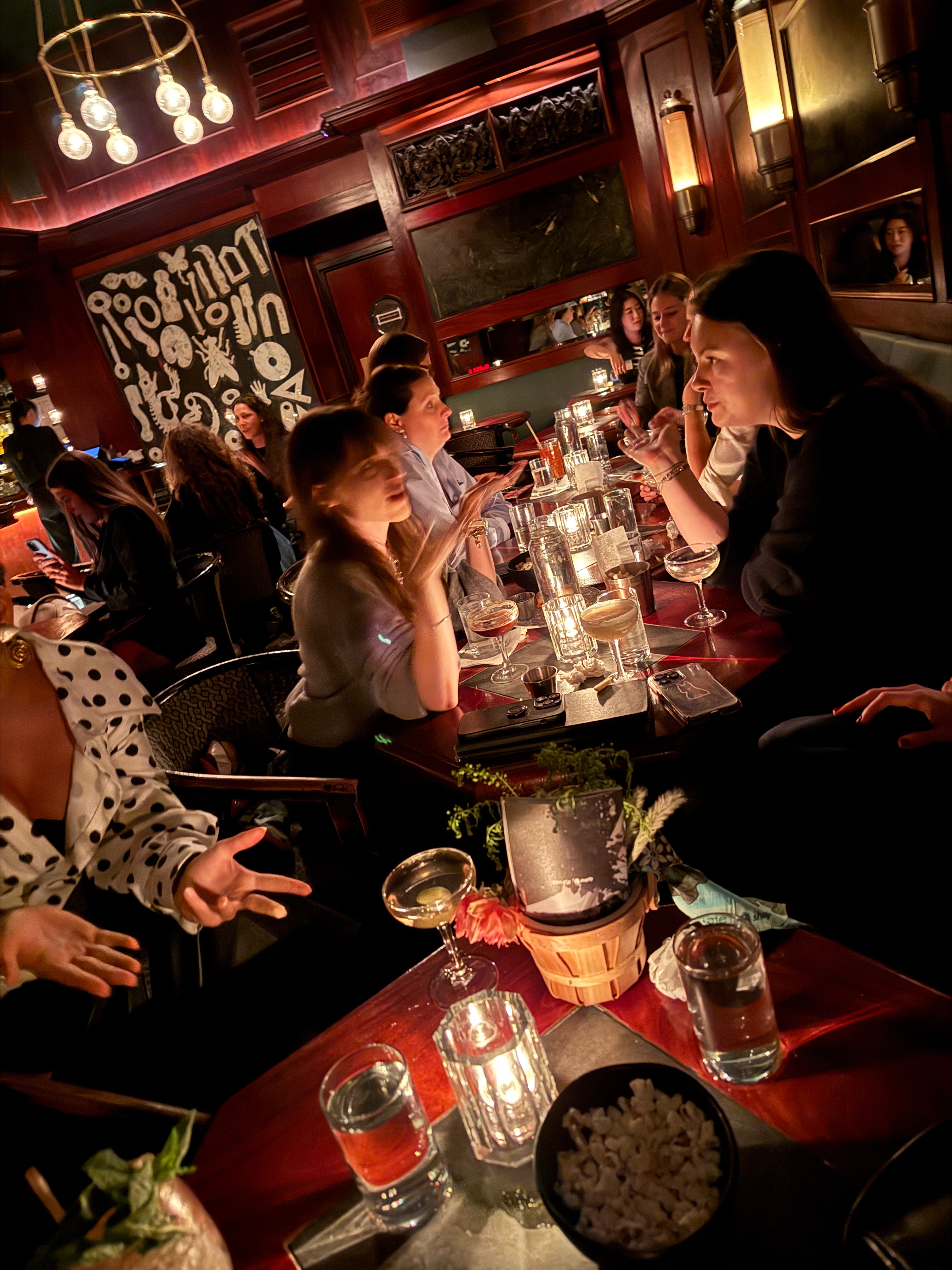
In real life, I sadly don’t go out to dinner with Kelly Williams, Jess Graves, Reva Luft, Emily Grady Dodge and tariro makoni on the reg (though what a riot that would be). In real life, I’m not strolling Madison Avenue or Melrose Place, seeing and being seen. In real life, no one is stopping me to comment on my High Sport pants, my CO clutch, or my Madame Grey perfume (ok fine, that last one is a lie, bc truly IYKYK).
This is not my actual context.
And yet, because of the way we consume fashion online, it feels like this world is much bigger, louder, and more dominant than it actually is. Saturation within a niche starts to feel like ubiquity. A brand that appears constantly in your feed can quickly feel overexposed, exhausted, even passé—when in reality, 98% of the people you encounter IRL have never heard of it.
This niche—this sense that something is everywhere, all at once—is its own kind of mirage. Much like Joni Mitchell sings in Both Sides Now, perspective changes everything: what feels intense and overwhelming from one vantage point often looks entirely different from another. And no matter how hard we try to outsmart the algorithm—by rejecting trends, by attempting to “own” our personal style in some pure, elevated way—we eventually arrive at the same realization: we really don’t know clouds at all. Meaning, we don’t actually have full command of the picture. We’re all just operating with partial views.
Which is precisely why context matters just as much — or often more— than the trend itself.
The West Village Girl Problem
Let’s pretend you’re in the West Village wearing a white tee, jeans, and an Aritzia Super Puff like every other girl walking down the street. In this case, yes—contextually, you might feel like you’re blending into the background, yet another clone. That look isn’t “bad” per se, but in that specific environment, it’s so common that it loses its friction.
But take that exact same outfit—or swap in something even more niche, like a Juju Vera necklace—and drop it into your hometown, a suburb, a smaller city, or an island community where no one is marinating in the fashion social media discourse all day long, and suddenly…who cares?
Better yet: who would even know?
This is where I think we’ve gotten it twisted. We’ve started judging style choices based on how they perform inside a very narrow online echo chamber rather than how they actually land in real life, among real people, in real places. The West Village Girl isn’t the cliché; the West Village is.
Town & Country
Now you might be thinking, ah—this letter is for people who don’t live in NYC or London or Paris. And sure, maybe partially. But I’d actually argue this applies just as much—if not more—to people who live in big fashion-forward cities, too.
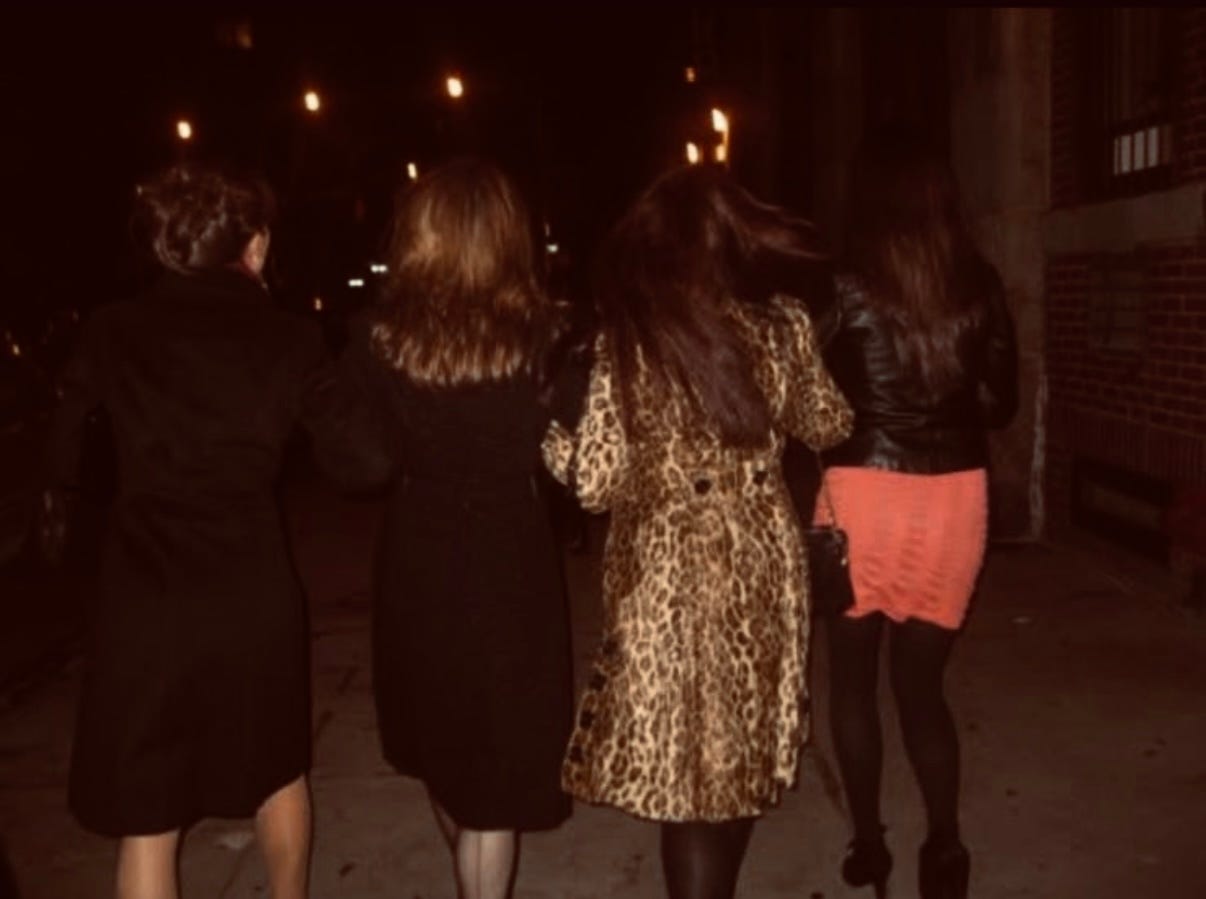
As a former New Yorker, I can tell you that even the most outwardly chic people with hyper tapped-in online personas—the ones whose fingers are perpetually on the pulse—are still just…people. They run to the bodega in old sweats, big sunnies and ratty sneakers (ok fine, maybe with a Khaite tee—but who’d even know it) just like you might run to your Ralphs or Trader Joe’s for a carton of milk. They prioritize privacy, comfort and sanity far more than signaling fashion fluency to strangers on the street.
Conversely, they don’t care if they pass three women on 78th Street all wearing the same Toteme coat they have on. If anything, they’d probably think, “Damn—these b*tches have good taste!”
Their online presence suggests constant participation in the trend dialogue as well as an innate knack for knowing, embracing and perhaps even starting those trends. But it’s a misconception that they’re wearing every niche label they’ve ever read about or linked to at any given moment.
Their real lives are much quieter. Much more pragmatic. Much more human.
Which brings me back—again—to the question: What if the dialogue is one-sided?
The Analog Algorithm
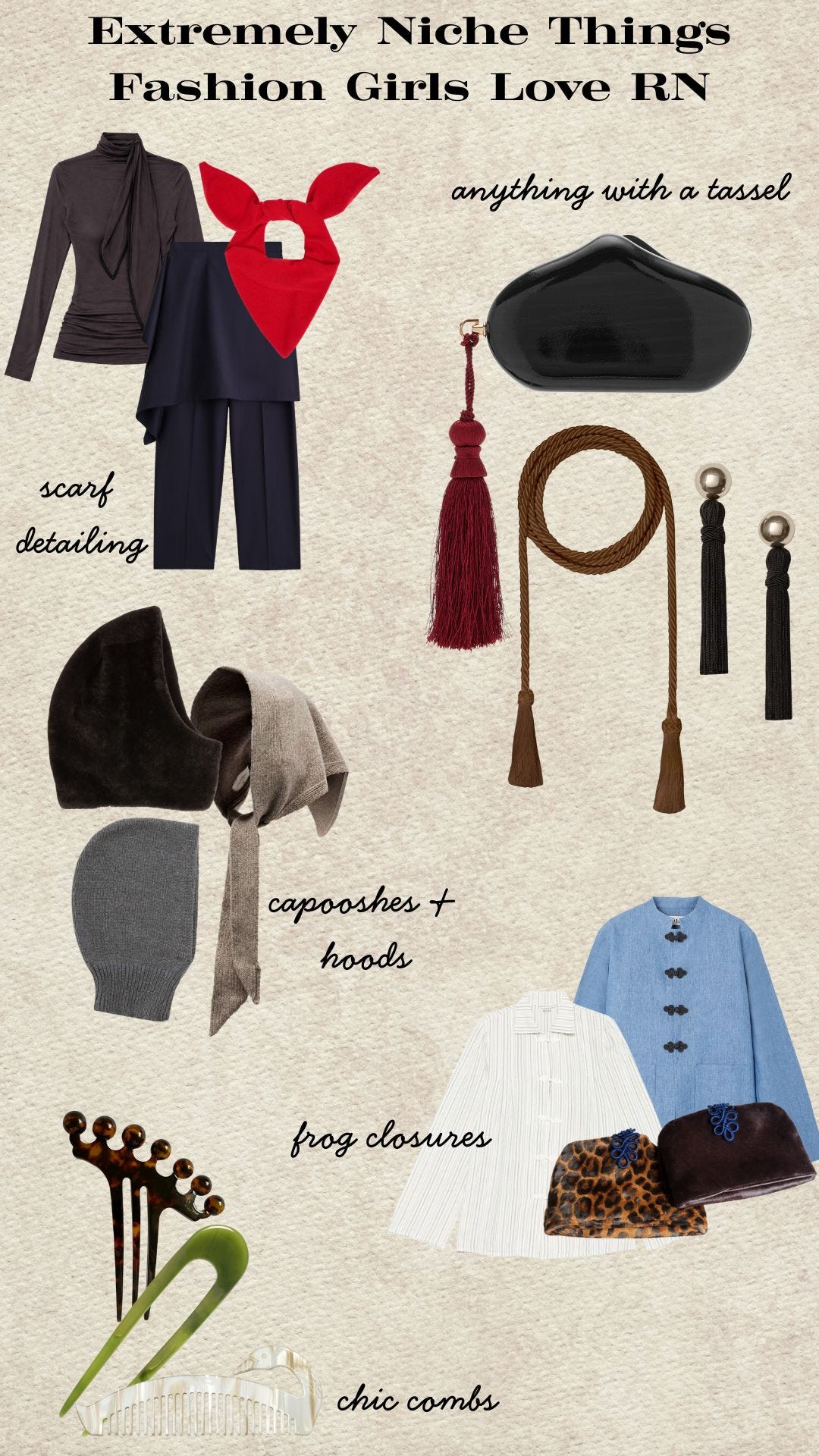
In truth, there is no dialogue if there’s only one person involved. It becomes a statement, not a conversation. When we worry that we’re “too trendy” or “not cool enough”—whether we’re wearing an of-the-moment frog closure jacket or an old sweatshirt and jeans—the anxiety usually isn’t about the clothes themselves. It’s about how we imagine they’re being perceived by an invisible audience. An audience that may exist online, but likely doesn’t exist IRL. At least, not at the same intensity and propensity as it does online.
This is where the OG algorithm comes in. The one that predates Instagram, TikTok, and Substack. The analog algorithm: context.
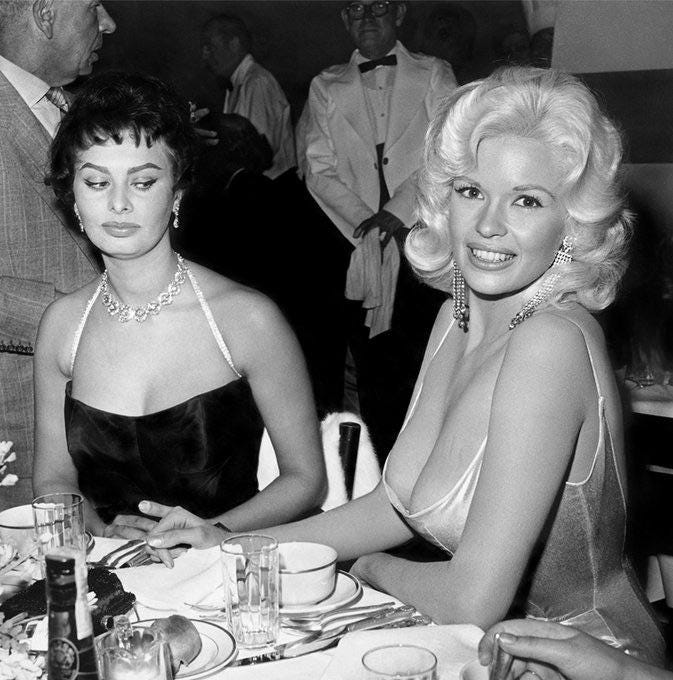
Somewhere along the way, “context” slipped out of our vernacular and “algorithm” replaced it. For many people—especially those who are chronically online—the algorithm is their context. Their tastes are shaped almost entirely by what they consume and over-consume online until it becomes difficult to tell where personal preference ends and collective consensus begins.
In their world, the algorithm feeds them pads of butter, and they spread it on everything, bc didn’t you hear—everyone’s eating butter RN.
Context…in Context
Context looks radically different depending on where—and how—you live.
For people in major fashion capitals, context includes museums, galleries, theaters, restaurants, culture, and density. There’s a critical mass of people participating in the fashion conversation, which allows for nuance, experimentation, and visual literacy of one’s style at scale.
For the rest of us—suburban moms, small-town dwellers, island people, country mice—context is closer to home. It’s school drop-off. It’s your office dress code. It’s the crowd at the cool, new restaurant in town on a Friday night. It’s what you and the people around you are wearing in your real lives—not what performs well online.
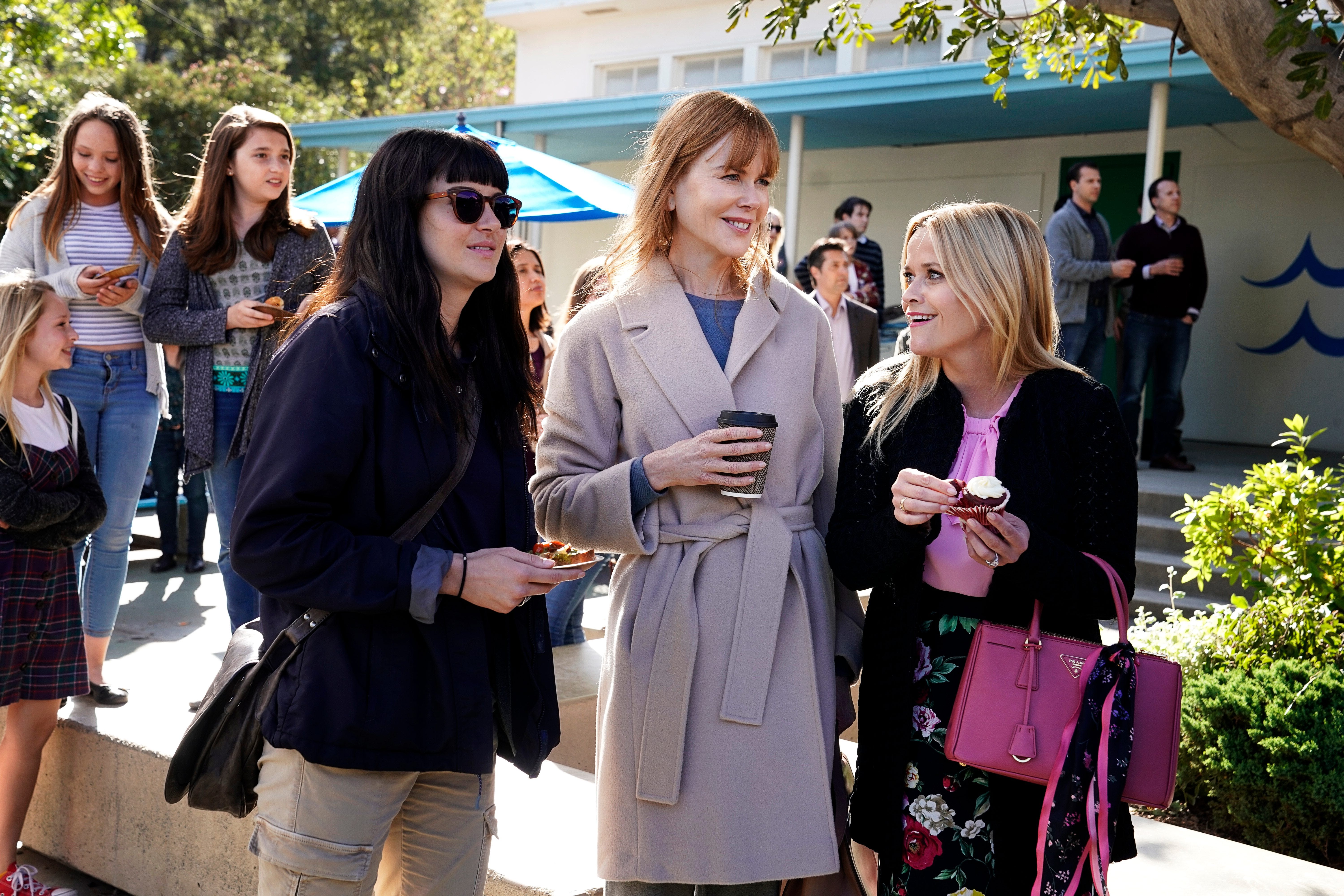
And this is where the balancing act becomes essential. If you lean too hard into the digital algorithm without filtering for real-life context, you risk feeling disconnected, performative, or just…off. But if you go fully analog and reject the algorithm altogether, you risk losing relevance, curiosity, and that sense of engagement that makes fashion feel alive.
We want butter. We just want it at the temperature of the room we’re standing in.
So How Do We Hold Both?
I don’t think there’s a clean answer—and honestly, maybe there never will be. The point isn’t to embrace all trends or rise above them. The point is to stop outsourcing our taste-making to an algorithm that has no idea who we are, where we live, or what our lives actually look like.
The point is to wear what we want, when we want, wherever we are.
Trends aren’t the enemy—blind adoption is. And context isn’t restrictive—it’s clarifying. In this sense, our online selves and our real-life selves aren’t in competition; they’re two sides of the same person, moving through different verticals. And true agency comes from knowing when (and how) to let each one lead.
In 2026, personal style won’t be about rejecting trends or chasing them. It will be about discernment, intention, and understanding that style doesn’t exist solely in a feed. It exists in rooms, neighborhoods, routines, and lives. It exists however you want it to.
The algorithm may suggest, but context will decide.
Thank you for reading…until next week! xx
I use affiliate links where applicable throughout my posts, so I may receive a small commission from things you buy (but at no cost to you!) Thank you for supporting me in this little way so I can keep writing every week!
This could literally be in Vogue or The Cut. LOVED is an understatement!!!
Ok, this was such a good read Sogole!! Loved it. As I was reading it, I was like “oh yea like THAT JV necklace” and of course you mentioned it 😂
which I just wore last week and still love btw and had a similar thought running through my mind. Ive worn in big cities and small towns all over and haven’t once seen anyone wearing it and I still get asked about it.
The internet is not our only world! Just in the same way that wearing it can make me actually look off-trend if I live somewhere where it’s cool to wear fleeces and blundstones (?)
And it’s ok to like trends if you genuinely like them (or continue to wear them after they are deemed “not cool”)…isn’t the fun part of fashion the art of discovery and wearing things that make you genuinely happy inside?!